Introduction
When I started exploring dance, I quickly realized that learning steps is only one part of becoming a good dancer. New dancers often make simple mistakes that can slow their progress. Whether you are a beginner, choreographer, actor, or someone building a dance career, avoiding these mistakes can make your journey smoother.
1. Skipping the Basics
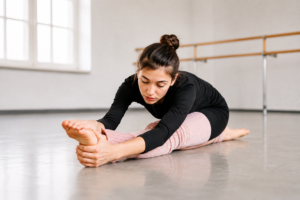
I often see beginners rushing toward advanced choreography before mastering the fundamentals. Footwork, posture, balance, rhythm, and body control are the foundation of every dance style.
I believe spending time on the basics makes advanced movements much easier later.
2. Not Warming Up

One mistake I never recommend is starting intense dance practice without preparing the body. A proper warm-up helps me get physically ready and improves my movement quality.
Even a few minutes of gentle movement and mobility exercises can make a practice session more comfortable.
3. Comparing Yourself to Others
Social media can make this mistake especially common. I remind myself that every dancer has a different starting point, learning speed, and style.
Instead of constantly comparing myself with experienced dancers, I focus on whether I am improving compared with where I was yesterday.
4. Focusing Only on Steps
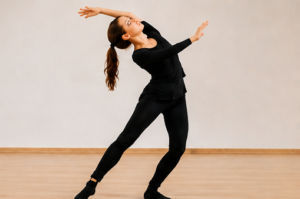
Dance is much more than remembering choreography. When I dance, I also need to think about musicality, expressions, energy, timing, and storytelling.
For dancers and actors especially, connecting with the emotion behind the movement can make a performance much more engaging.
5. Ignoring Musicality

I have learned that simply doing the correct steps is not enough. A dancer needs to understand the music.
I pay attention to beats, pauses, changes in tempo, and different instruments. When my movements connect with the music, the performance feels more natural.
6. Practicing Without Recording Yourself
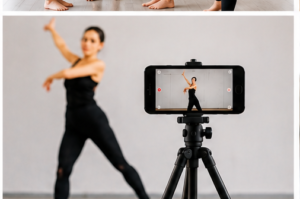
Sometimes I think a movement looks perfect until I watch myself performing it. Recording practice gives me an opportunity to notice timing, posture, expressions, and transitions that I may not feel while dancing.I use recordings as a learning tool rather than judging myself.
7. Trying to Learn Too Quickly
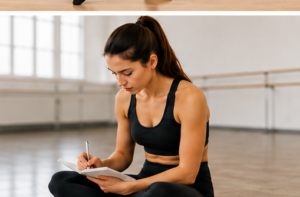
I understand the excitement of learning a new routine, but rushing can create confusion. I prefer breaking choreography into smaller sections and practicing each section before putting everything together.
Slow, consistent practice usually helps me remember movements more confidently.
8. Ignoring Feedback
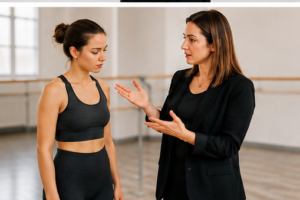
Constructive feedback can be uncomfortable, but it is incredibly valuable. A choreographer, teacher, or fellow dancer may notice something I cannot see myself.
Instead of taking feedback personally, I try to use it as a roadmap for improvement.
9. Forgetting About Expressions
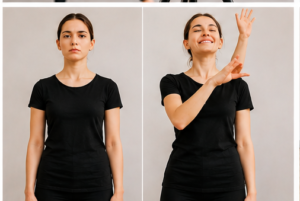
Expressions can completely change a performance. I have noticed that technically correct movements can still feel empty without emotion.
Whether I am performing on stage, in front of a camera, or preparing for an audition, I try to understand what the performance is supposed to communicate.
10. Giving Up Too Soon
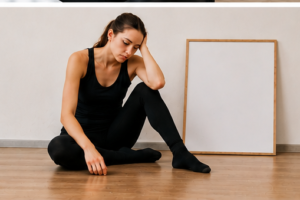
Perhaps the biggest mistake is expecting immediate results. Dance takes patience, repetition, and consistency.
There are days when progress feels slow, but I remind myself that every practice session contributes something. Mistakes are not proof that I cannot dance—they are part of learning.
Conclusion
My biggest lesson is that becoming a better dancer is not about being perfect from day one. It is about learning, practicing, accepting feedback, and enjoying the process.
If you are a new dancer, choreographer, actor, or dance creator, which of these mistakes have you made—and what are you doing differently now?